

Planning to buy a car? Whether you’re purchasing a new or used vehicle, preparing your finances before you start shopping can help you make more confident decisions. Understanding your budget, borrowing capacity and repayment commitments before visiting a dealership may help you compare options more effectively and avoid unnecessary pressure.
Seasonal sales and dealership promotions can create opportunities to compare offers on new and used vehicles. But a discounted purchase price doesn’t always mean you’re getting the best overall deal, especially when finance is included. Car sales run in cycles, and dealers often push finance alongside the deals. However, if your budget isn’t ready, even a good deal can still be a poor fit.
Planning your car loan before you start shopping gives you time to review your borrowing capacity, understand your repayments and compare finance options without rushing into a dealership offer.
Why does timing matter when buying a car?
Westpac’s car-buying guide highlights that certain periods throughout the year may offer opportunities for buyers to compare vehicle and finance offers.
The period often brings discounts. Sales staff with monthly and quarterly targets may be more open to negotiation near the end of this period. Such windows, however, only help you if your finance is ready when the deal appears.
Dealership promotions, manufacturer campaigns and run-out sales can provide opportunities to compare discounted vehicles and finance offers.
However, the advertised discount is only one part of the overall cost.
So when’s the right time to buy a car? A good time to buy is when three things line up:
- The car meets your needs
- Your budget is realistic
- Your repayments are manageable
Having your finance options ready before visiting a dealership can help you compare offers without making a rushed decision.
Can your spending affect your borrowing capacity?
The Australian Bureau of Statistics reported that household spending fell 0.4% in December 2025, which the ABS linked to purchases brought forward during the October and November sales. Spending patterns can change throughout the year depending on personal circumstances, major purchases and financial commitments. Festive spending can affect your finances in different ways.
Some buyers make larger purchases before applying for finance, while others take on additional financial commitments or carry additional expenses into the New Year.
When assessing a car loan application, lenders review your living expenses and recent transactions when they assess how much you can borrow, so the pattern of your spending matters as much as your income.
Existing buy now, pay later commitments, credit card limits and regular expenses may affect your borrowing capacity. Before applying, review your financial commitments, check your recent statements and consider reducing outstanding debts where possible.
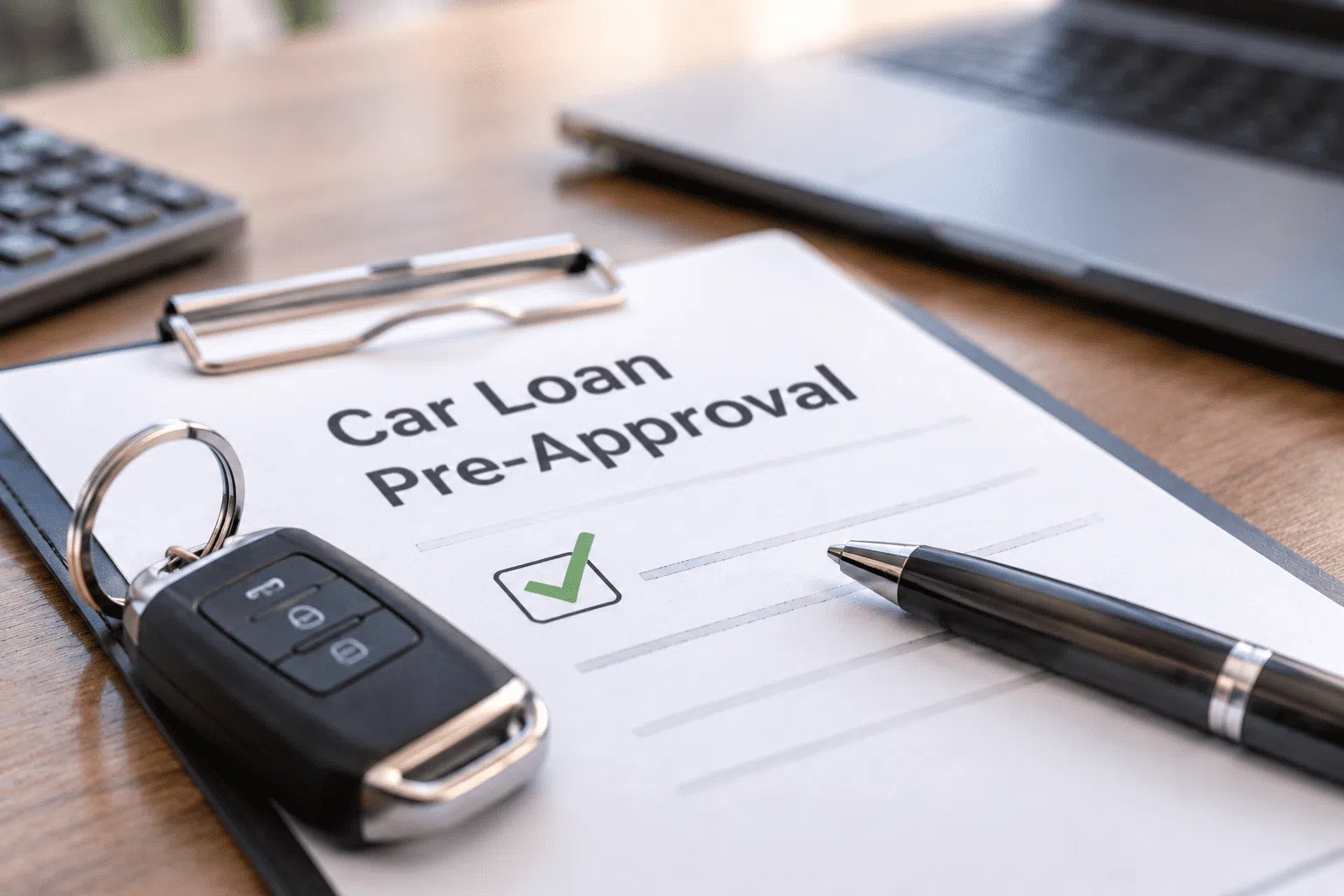
Plan your pre-approval date
Pre-approval shows how much a lender may lend you, which is often based on your income, cost of living, existing debts and deposit. Pre-approval isn’t the final approval, as the car, its price and your documents still need checking.
- Pre-approvals usually expire after a set period, often around 30 to 90 days, depending on the lender.
- Getting pre-approved too early can mean it expires before you find the right car.
- Seeking pre-approval when you’re actively looking for a vehicle may provide a clearer budget and greater certainty during the buying process.
Common dealer finance mistakes
Many buyers focus on the advertised repayment amount rather than the total cost of borrowing.
Before accepting dealership finance, compare:
- Interest rate
- Comparison rate
- Establishment fees
- Loan term
- Total amount repayable
- Balloon amount
Look beyond the monthly repayment
When comparing car finance options, don’t focus only on the monthly repayment. Some loans use a larger balloon payment at the end of the term to reduce the regular repayment amount. While this may improve short-term affordability, it can also increase the amount owing at the end of the loan.
If you later decide to refinance, the remaining loan balance may be higher than expected, which can affect the repayment on the new loan. Even when a lower interest rate is available, the repayment may not reduce significantly if the amount being refinanced remains relatively high. That’s why it’s important to compare the total cost of borrowing, not just the repayment amount.
Understanding how the interest rate, loan term, balloon payment and total amount repayable work together can help you make a more informed finance decision.
To plan well,
1. Set a buying window.
Choose the months you expect to buy, such as the weeks before a sales period.
2. Check your spending.
Review your credit cards, BNPL plans and regular commitments.
3. Book pre-approval inside the window.
Confirm how long your pre-approval lasts, and ask what documents you’ll need.
4. Compare offers on the same basis.
Check the dealer’s finance against your pre-approved terms before you sign.

Secured vs unsecured car loans: Understanding the difference
A secured car loan uses the vehicle as security and may offer a lower interest rate. An unsecured car loan does not require the vehicle as security but may carry a higher rate. Eligibility, borrowing limits and fees vary between lenders. With a secured loan, the lender may repossess the vehicle if you fail to meet your repayment obligations.
The right option depends on your borrowing needs, the vehicle being purchased and your individual financial circumstances. Knowing your finance options beforehand can make it easier to compare dealership offers.
Checklist for used cars
If you’re buying a used car, add these checks to your plan:
Outstanding finance
Check the Personal Property Securities Register for any finance still owing on the vehicle.
Service history
Ask for the service records before you agree on a price.
Insurance
Get a quote early, so you know the full monthly cost.
Lender age limits
Confirm whether your preferred lender will finance a car of that age.
Independent Inspection
Consider arranging an independent mechanical inspection before purchasing a used vehicle.
Note: Before buying a used car, complete a PPSR search using the vehicle’s VIN. This can identify registered security interests and help you check whether the vehicle has been reported stolen or written off. It does not show the amount of any outstanding loan.
What does consumer research tell us about car buyers?
According to consumer research published by carsales, many buyers revisit their decisions during the vehicle purchasing process, highlighting the importance of planning and comparing options before committing.
What does VOXFIN recommend before you buy a car?
A discounted purchase price does not necessarily mean a lower overall cost once finance expenses are considered.
- Review your borrowing circumstances before you start negotiating.
- Before committing to a dealership offer, compare the interest rate, loan term, fees, repayment amount and total cost of borrowing.
- Consult with a broker to understand which finance options may be available and how the repayments fit alongside your existing commitments.
If you’re planning to apply for a home loan in the near future, consider that too. Taking on a car loan may reduce your home loan borrowing capacity. There may be a lot of other aspects, too. Let specialist brokers at VOXFIN help you compare suitable car finance options and understand the application requirements before you make a decision.
Frequently asked questions
When should I get pre-approved for a car loan?
Ideally, seek pre-approval when you’re reasonably close to purchasing a vehicle. Depending on the lender, conditional approvals may remain valid for around 30 to 90 days. Your VOXFIN broker can explain the applicable validity period, documentation requirements and conditions before you proceed. Remember, pre-approval is not a guarantee of final loan approval.
Westpac’s conditional approval, for example, is usually valid for 30 days, while other lenders offer around 60 days. Check the expiry date on your own pre-approval.
Does spending over the festive season affect my car loan?
It can. Lenders look at recent spending, buy now, pay later plans and credit card balances. Reviewing these before you apply can help protect your borrowing capacity.
Should I accept dealership finance?
Dealership finance may be suitable in some situations, but it is important to compare the interest rate, fees, loan term and total amount repayable against other available options before making a decision.
Is a secured car loan always cheaper?
Often it is, but not always. A secured loan usually offers lower rates, but the total cost depends on the amount, the term and any fees. Compare the comparison rate and total repayable for each option.
Does a car loan affect a home loan?
It can. Any loan repayment reduces the amount a lender will assess you can borrow for a home loan. If you’re planning to buy a home soon, tell us first, so we can plan the car loan around it.
Planning to buy a car?
Before you commit to a dealership finance offer, speak with a VOXFIN broker about your car loan options. We can review your borrowing circumstances and help you compare suitable finance options to get pre-approved. Talk to a broker on 03 7065 2000, or learn more about us.
To plan your numbers, use our borrowing power calculator, loan repayment calculator and loan comparison rate calculator. If you need a work vehicle, see our business car loans page.
Speak to a VOXFIN Broker | Call 03 7065 2000
Disclaimer: This article contains general information only and does not take into account your objectives, financial situation or needs. Lending policies, interest rates, fees, approval criteria and repayment amounts vary between lenders. VOXFIN provides credit assistance and loan broking services and does not provide financial, taxation or legal advice

